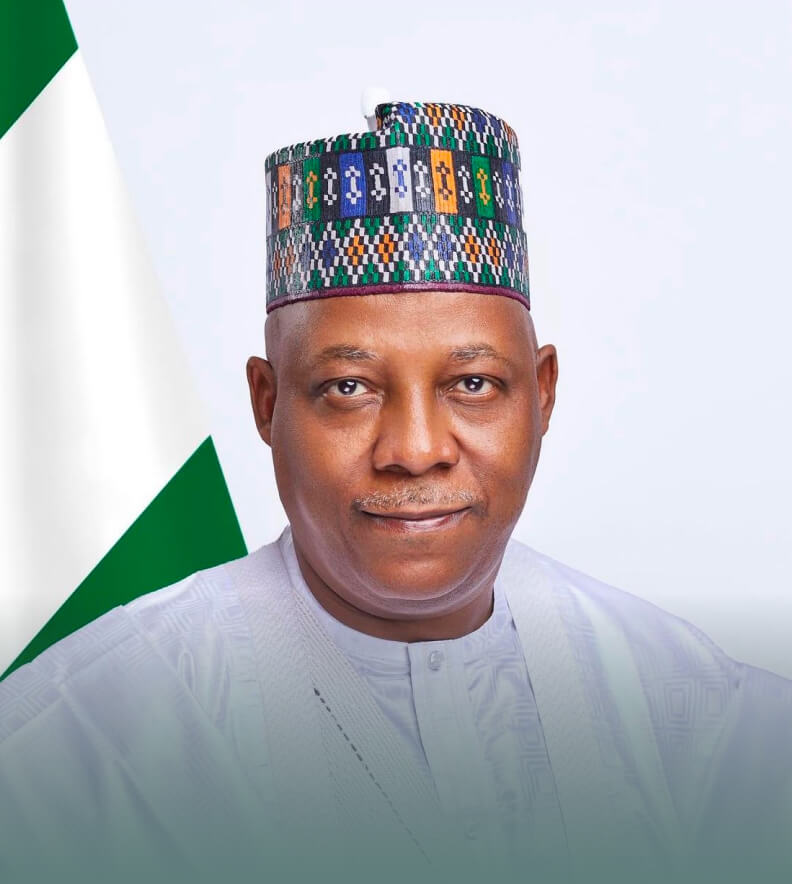


Nigeria has taken its campaign for a bigger African voice in global affairs to the heart of the United Nations, with Vice President Kashim Shettima demanding sweeping reform of the UN Security Council and permanent representation for Africa.
Delivering President Bola Ahmed Tinubu’s address at the **81st United Nations General Assembly** in New York on Thursday, Shettima said the international system created after World War II could no longer adequately reflect the realities of the modern world.
Nigeria called for **at least two permanent seats for Africa**, with the full rights and responsibilities of permanent membership, including veto rights for as long as the veto remains part of the Security Council, alongside **five non-permanent African seats**.
The demand puts Africa's long-standing campaign for greater representation at the centre of Nigeria's message to world leaders.
1945 cannot define 2026’
The Nigerian delegation argued that the distribution of power established in 1945 has left Africa under-represented in the institution responsible for some of the world's most consequential decisions on peace and security.
For Abuja, the issue is not simply about seats at the UN. It is about giving African countries a greater role in decisions that directly affect the continent.
Nigeria anchored its position on the **Ezulwini Consensus**, the African Union's common position on Security Council reform.
CONFLICTS: NIGERIA CALLS FOR DIPLOMACY
Shettima's address also turned to the conflicts confronting the international community.
Nigeria called for stronger diplomacy, respect for international law and protection of civilians, while urging greater international efforts to resolve conflicts, including the crisis in Sudan.
The Nigerian position was that lasting peace cannot be secured solely through military action and that diplomacy, dialogue and negotiated settlements remain essential tools for resolving conflicts.
TERRORISM: ‘NO COUNTRY CAN FIGHT ALONE’
With Nigeria continuing to confront terrorism and other forms of transnational crime, the address placed international security cooperation high on the agenda.
Nigeria called for stronger intelligence-sharing, action against terrorist financing and greater cooperation to prevent illicit weapons from crossing borders.
But Abuja also linked security to development, pointing to education, economic opportunity, accountable governance and protection of citizens** as important elements of long-term stability.
AFRICA’S WEALTH: FROM RAW MATERIALS TO INDUSTRIAL POWER
The Nigerian message went beyond politics and security.Tinubu's address, delivered by Shettima, called for Africa to transform its vast natural resources into industrial and economic opportunities by expanding **local processing, manufacturing, technology and value-added production**.
Nigeria also highlighted the African Continental Free Trade Area as an opportunity to expand intra-African trade and build stronger regional supply chains.
The message was clear: Africa's resources should generate greater value, jobs and investment within the continent rather than being exported largely in raw form.
CLIMATE AND DEVELOPMENT
Nigeria also reaffirmed its commitment to climate action, including its 2060 net-zero target, while stressing the need for financing, technology transfer and international support for developing countries.
Abuja argued that climate action and economic development should be pursued together, particularly in countries still struggling to provide reliable energy and economic opportunities for rapidly growing populations.
THE NIGERIAN MESSAGE
From the UN podium in New York, Shettima delivered a message that combined Nigeria's foreign-policy priorities with its wider vision for Africa: **greater representation, stronger security cooperation, economic transformation and a more inclusive international system.**
For Nigeria, the Security Council reform campaign remains a central part of that agenda.
The demand from Abuja is straightforward: **Africa should have a permanent voice in the room when decisions affecting international peace, security and global governance are made. And Nigeria says it intends to keep making that case.
Shettima at UNGA: Africa Demands a Seat at the Global Table